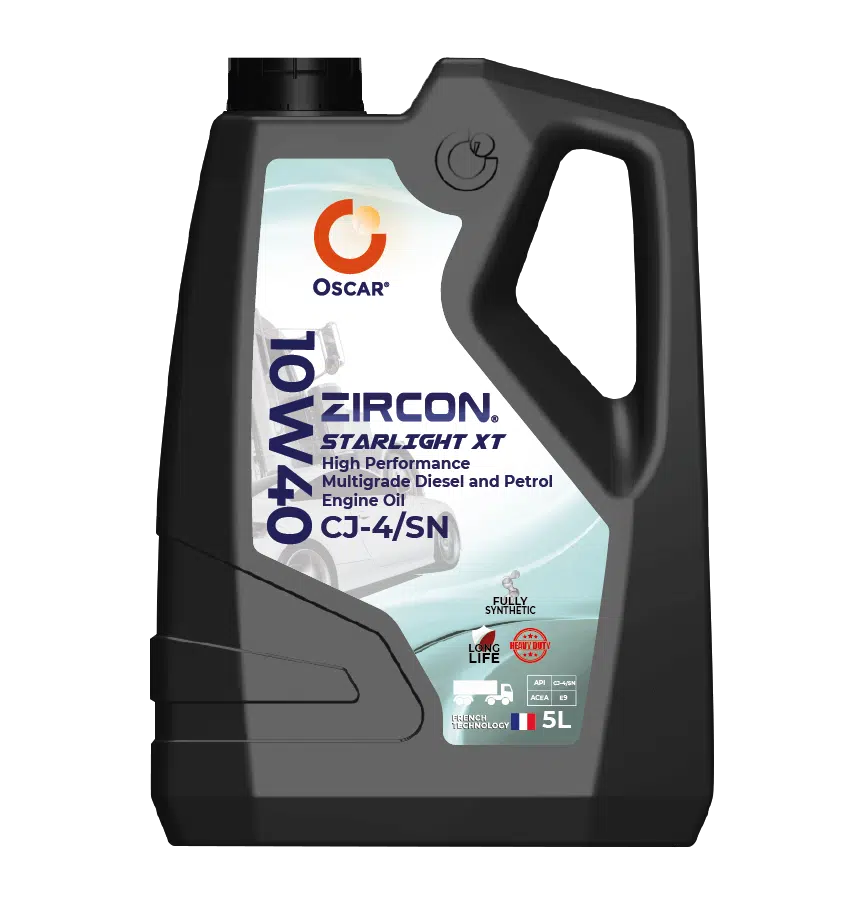
Engine rebuilds are expensive and time-consuming. Every operator wants to push that major service date as far into the future as possible. The difference between a short-lived engine and one that runs strong for years frequently comes down to one simple factor: the oil inside the crankcase.
Selecting the correct lubricant is a smart financial decision that directly impacts the bottom line. This is the essential responsibility of diesel engine oil manufacturers, who formulate products to combat the extreme pressures and heat generated inside modern diesel engines.
Surface protection
Diesel engines operate with heavy loads that force metal components together. The oil creates a physical barrier between moving parts like piston rings and cylinder walls. This film prevents direct metal-to-metal contact, which is the primary cause of wear.
High-quality oils contain additives that bond to metal surfaces, creating a protective layer that stays intact even under severe stress. This protection keeps critical components within factory specifications for a longer period, directly extending the time between overhauls.
Fighting the acid attack
Combustion produces acidic byproducts that contaminate the oil. These acids can eat away at bearing surfaces and cylinder liners over time. Diesel engine oils contain alkaline additives, frequently measured as the Total Base Number, which work to neutralize these harmful acids.
This neutralization process keeps the oil from becoming corrosive, protecting the engine’s internal surfaces from pitting and etching. By controlling acid buildup, the oil preserves the integrity of bearings and journals, delaying the need for a rebuild.
Controlling soot and sludge
Diesel engines produce a significant amount of soot, especially during low-speed operation or heavy lugging. This soot can clump together to form sludge, which blocks oil passages and starves components of lubrication.
Special dispersants in the oil hold these soot particles in suspension, preventing them from agglomerating. The oil keeps these contaminants finely dispersed so they can be captured by the filter. This action keeps oil galleries clear and ensures consistent oil flow, preventing premature wear caused by oil starvation.
Maintaining viscosity stability
Engine oil must remain fluid enough to flow at cold startup but thick enough to protect at operating temperature. Heavy-duty diesel oils are formulated with viscosity index improvers. These additives prevent the oil from thinning out too much as temperatures rise.
Stable viscosity ensures the oil pump can maintain adequate pressure across all operating conditions. Consistent oil pressure guarantees that a steady supply of lubricant reaches the turbocharger and valvetrain.