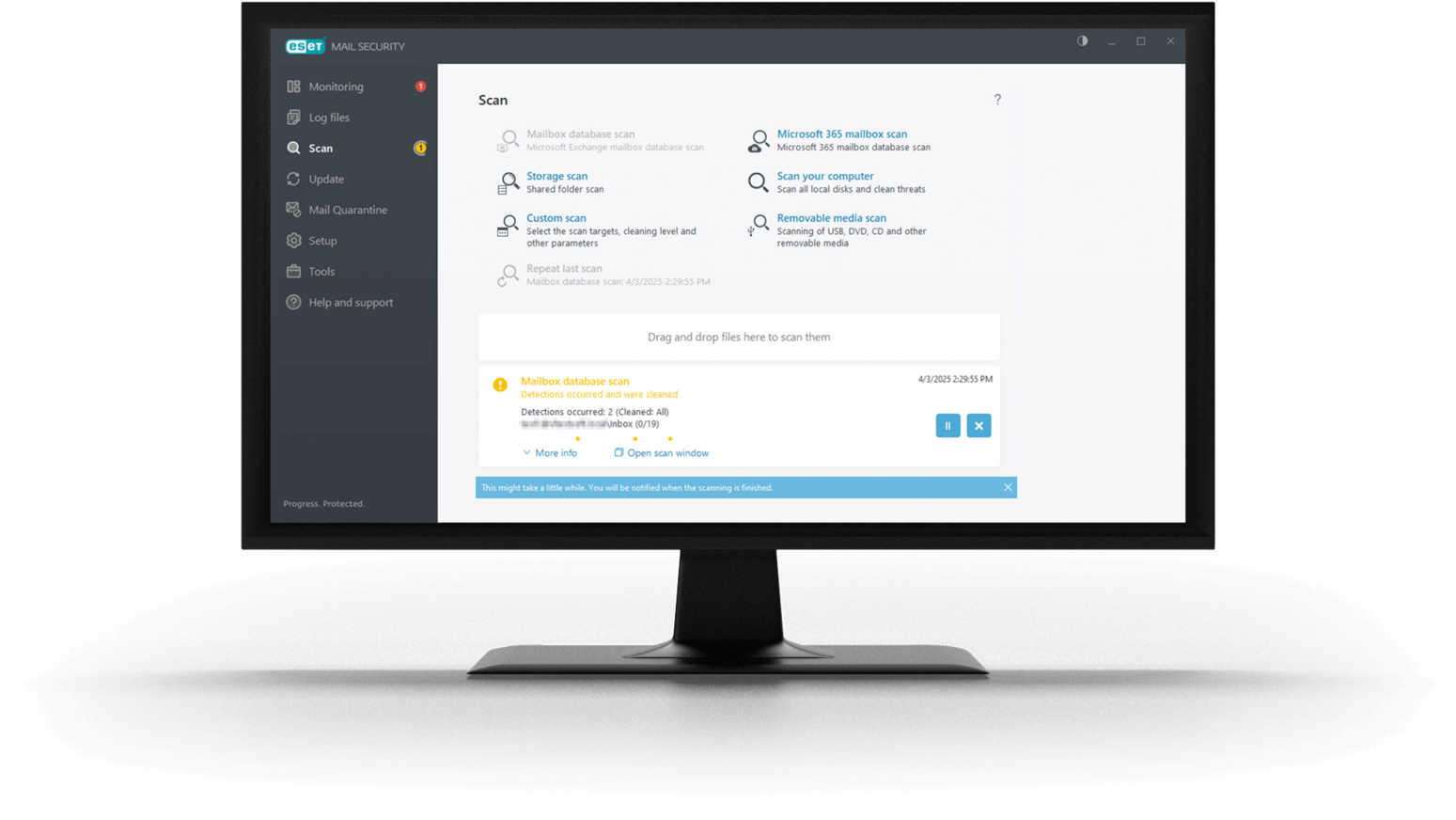
A single leaked email between a lawyer and a client can destroy a case, break trust, and cost millions. Law firms hold data that criminals prize above credit cards: confidential strategy, merger talks, and personal client secrets. When that communication slips into wrong hands, the damage spreads fast. That is why strong email security solutions are no longer optional – they are the lock on the front door.
Encryption protocols:
Strong coding keeps messages unreadable to outsiders. When data travels across servers, it stays locked tight. Only intended parties hold keys to unlock these files. This method prevents unauthorized access, keeping sensitive client details safe during transit. It acts as a digital seal on every envelope sent, making interception useless for hackers.
Multifactor authentication:
Passwords alone fail against modern attacks. Adding a second layer verifies identities before granting access. This setup demands a code from a separate device or a physical token. Even if credentials leak, intruders remain blocked by this extra barrier. Authentication builds a wall that keeps accounts locked down, stopping entry attempts before damage occurs.
Threat detection systems:
Automated monitors scan incoming traffic for malicious intent. These tools look for suspicious patterns or phishing lures. Patterns indicative of fraud trigger immediate alerts, stopping threats before clicking happens. Constant observation keeps systems clean, blocking harmful files or links from reaching firm inboxes. Active scanning identifies risks in real time, stopping problems before entry.
Regular staff training:
Human error remains a major risk factor. Personnel must learn to spot deceptive emails. Frequent workshops teach how to identify suspicious requests or odd attachments. Awareness keeps teams alert, turning staff into a line of defense. Knowledge prevents accidental leaks, shielding sensitive information from social engineering tactics designed to trick employees.
Secure archiving methods:
Firms must store records for long periods. Storing backups in protected locations keeps data available yet unreachable by outsiders. Encrypted archives mean even if physical servers get compromised, files remain unreadable. Proper retention policies clear out old data correctly, reducing the amount of exposed material. Controlled storage keeps historical client interactions safe from future compromise.
Audit trails:
Maintaining records of every action creates accountability. Logging who accessed what file highlights unusual behavior patterns immediately. Tracking activity allows quick response if breaches occur. Administrators review these logs to verify system health. Detailed reports prove compliance with strict privacy rules, demonstrating commitment to protecting client privacy at all times.